
China Leading PA66 GF25 Thermal Break Strip Material Supplier Highlights Insulation Trends at Plast Eurasia
As global construction industries pivot toward stringent carbon-neutrality mandates, architectural facade design faces an unprecedented transformation. Regional trade exhibitions like Plast Eurasia serve as vital platforms where material engineers, system fabricators, and building solution providers gather to address these evolving requirements. Within the architectural sector, energy efficiency relies heavily on thermal break systems installed inside aluminum window frames and curtain walls. Meeting these rigorous thermal performance demands requires specialized raw materials capable of enduring high mechanical stress while maintaining dimensional integrity under extreme environmental changes. Recognized as a China Leading PA66 GF25 Thermal Break Strip Material Supplier, the enterprise provides high-performance polyamide granules designed specifically for profile extrusion lines. Industry professionals attending Plast Eurasia continue to discuss how advanced polymer technology can bridge the gap between architectural aesthetics and strict building energy codes across Europe, Eurasia, and the Middle East.
Modern building codes across Europe and the Middle East increasingly enforce stricter overall heat transfer coefficients, commonly measured as U-values. High-rise commercial structures and residential complexes demand advanced fenestration systems to minimize thermal conduction. Because aluminum profiles offer exceptional structural strength but high thermal conductivity, window manufacturers must incorporate thermal break strips to separate internal and external aluminum frames.
Without effective thermal barriers, buildings experience substantial heat loss during winter and excessive heat gain during summer. Consequently, HVAC systems work harder, raising operational energy consumption and expanding the overall carbon footprint of modern architecture. Regional markets in Eurasia and the Gulf region now require window systems to achieve significantly lower U-values. Therefore, system houses and profile extruders actively seek high-efficiency insulating materials that withstand harsh climate swings while maintaining long-term structural durability.
Thermal break strips function as the primary insulating core in aluminum windows, doors, and curtain wall systems. However, choosing the right material involves balancing thermal insulation with mechanical load capacity. Standard polymers often lack the structural rigidity necessary to handle heavy glass loads and severe wind pressures in tall buildings. As a result, polyamide 66 reinforced with 25% short glass fibers has emerged as the definitive material standard across the global construction industry.
The physical performance of thermal break strips depends on matching the mechanical and thermal properties of the polymer to the surrounding aluminum. Unreinforced plastics expand and contract at rates far higher than aluminum under temperature variations. This discrepancy causes internal stress, delamination, and eventual failure of the window frame assembly over time.
Incorporating 25% short glass fiber reinforcement fundamentally alters the physical dynamics of Polyamide 66. This precise glass fiber ratio adjusts the coefficient of thermal expansion of the composite material to approximately 2.3 x 10^-5 / K. This value closely matches the thermal expansion rate of extruded aluminum profiles. Consequently, when temperature fluctuations occur, the aluminum profile and the thermal break strip expand and contract in complete harmony. This mechanical alignment prevents structural separation, frame warping, and seal failure across decades of environmental exposure.
Additionally, PA66 GF25 delivers remarkable thermal resistance compared to pure metals. While raw aluminum exhibits a thermal conductivity of roughly 200 W/(m·K), PA66 GF25 reduces thermal conductivity down to approximately 0.30 W/(m·K). This drastic reduction in conductive heat transfer creates an effective thermal barrier within the window assembly. Furthermore, the material offers a high heat deflection temperature exceeding 240 degrees Celsius. This elevated thermal tolerance allows assembled aluminum profiles to undergo downstream electrostatic powder coating and anodizing baking cycles without softening, shrinking, or losing structural shape. Tensile strength values exceeding 80 MPa further ensure that the thermal break strip handles intense wind loads in high-rise curtain wall applications.
While PA66 GF25 offers superior physical properties, processing this reinforced compound via continuous profile extrusion introduces complex technical challenges for profile manufacturers. Extrusion operators frequently encounter rheological instabilities, melt fracture, and surface defects during continuous production runs. Because thermal break strips often feature intricate geometric profiles—such as I-shapes, C-shapes, T-shapes, and multi-cavity hollow configurations—maintaining uniform melt flow through the extrusion die demands precise resin chemistry.
Uneven glass fiber dispersion within the polymer matrix creates significant processing bottlenecks. Poorly dispersed glass fibers cause localized stress concentration, resulting in brittle strips that snap under mechanical handling. Furthermore, exposed glass fibers on the profile surface create a rough texture. This rough finish hinders smooth insertion into the aluminum profile grooves, leading to assembly delays and profile damage on the factory floor.
Moisture management presents another critical processing hurdle during extrusion. Polyamide resin inherently absorbs atmospheric moisture due to its hydrophilic chemical structure. Excess moisture during extrusion triggers hydrolytic degradation, breaking down the polymer chains. This chemical breakdown creates internal micro-voids, reduces mechanical strength, and causes dimensional fluctuations that exceed the tight tolerance limits of plus/minus 0.05 mm required for precision window assemblies. Extruders must therefore utilize compounds designed specifically to maintain melt stability and smooth surface finishes across extended production cycles.
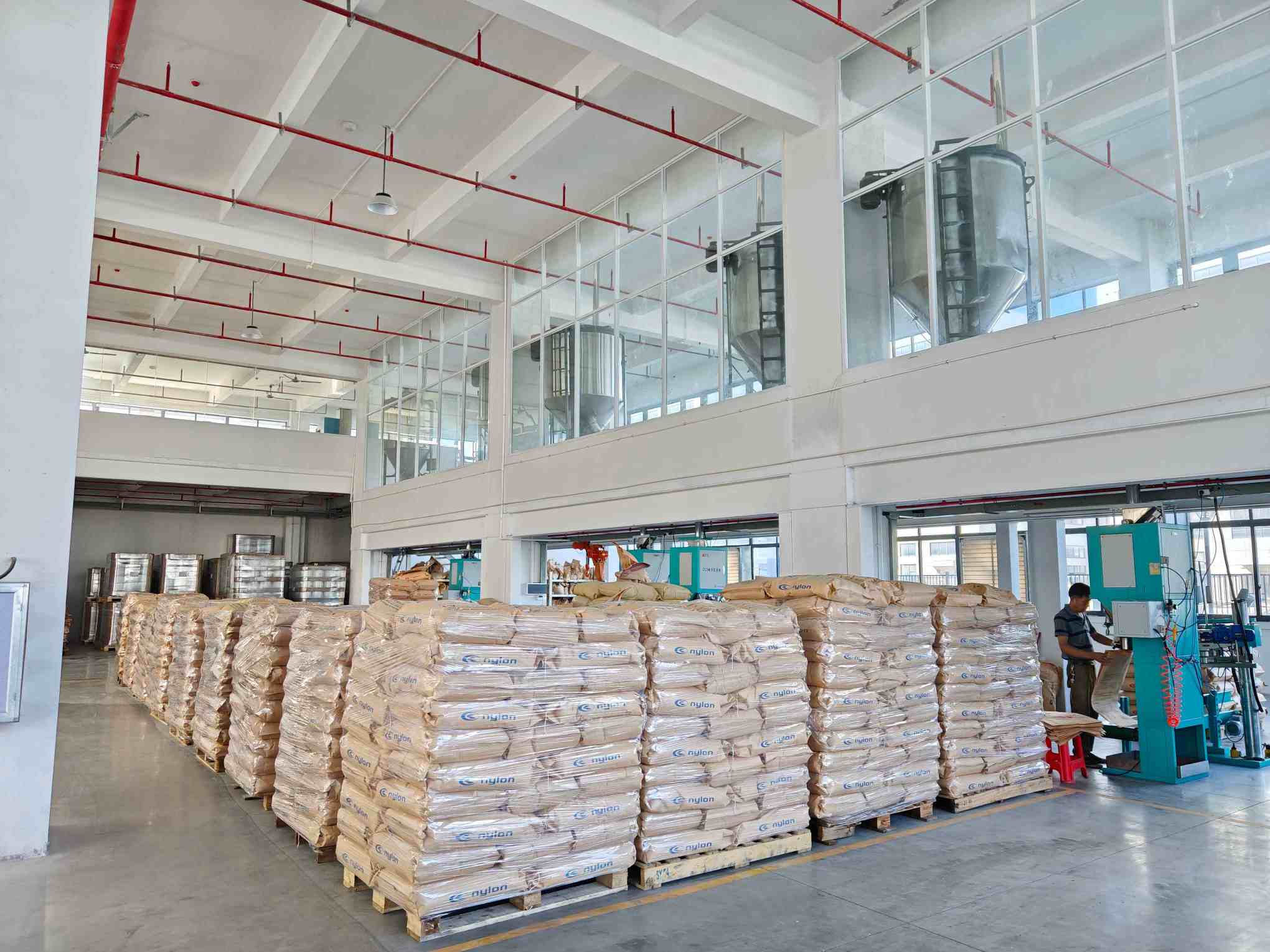
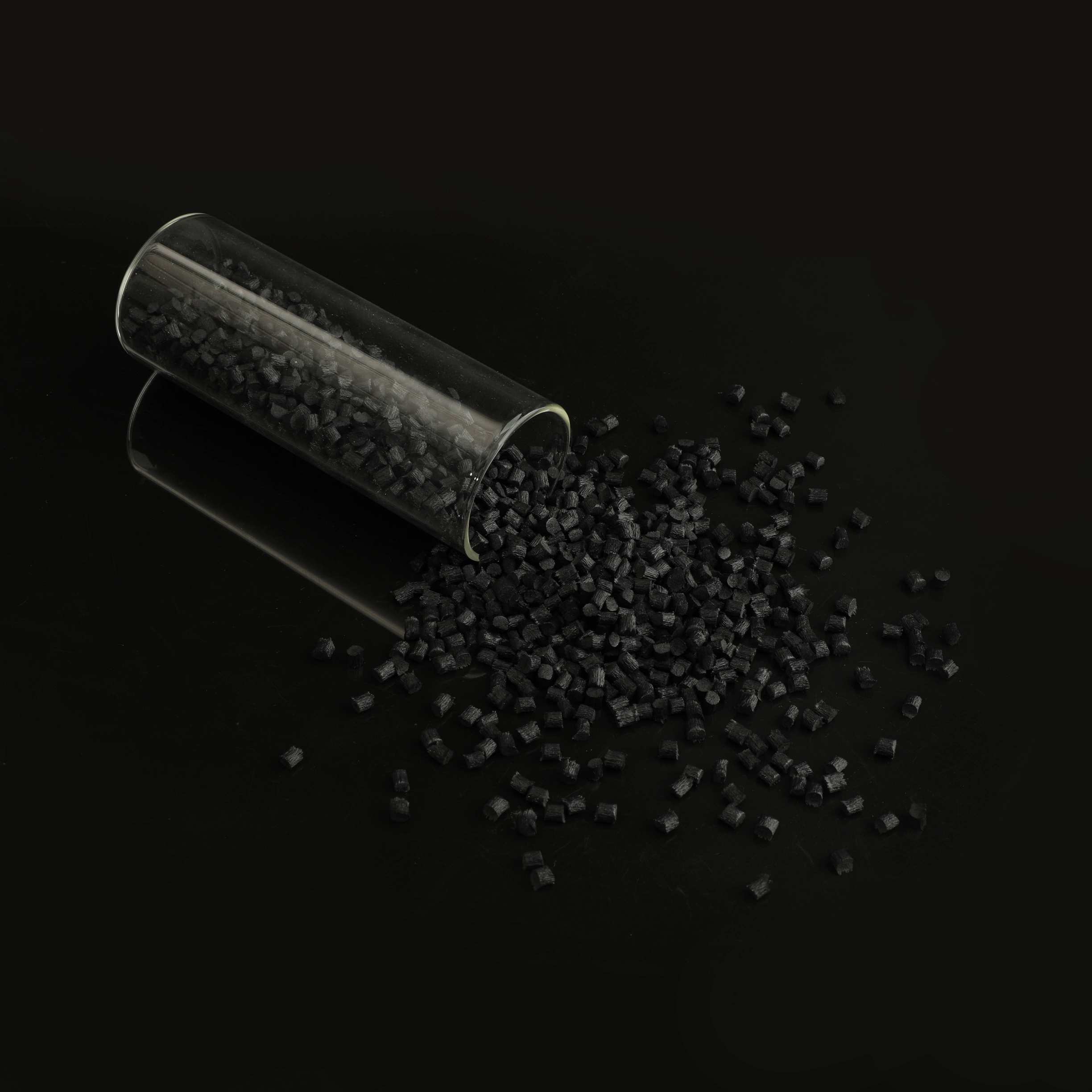
To resolve these processing bottlenecks, advanced compounding technology focuses on molecular structure optimization and surface coupling treatments. BOCHENG (Xiamen Bocheng Plastic Materials Co., Ltd) engineers specialized PA66 GF25 extrusion granules that address the specific needs of thermal break strip manufacturers. By utilizing high-purity polyamide base resins combined with proprietary silane coupling agents, the enterprise ensures uniform glass fiber distribution throughout the polymer matrix.
This optimized formulation enhances the interface bonding between the nylon polymer and the glass fibers. As a result, the compound provides superior melt strength and exceptional rheological behavior during high-speed extrusion. The material eliminates surface glass fiber exposure, delivering a smooth matte finish that facilitates seamless insertion into aluminum profile channels. Extrusion facilities using this formulation experience lower die wear, reduced scrap rates, and consistent output speed across complex multi-strand extrusion operations.
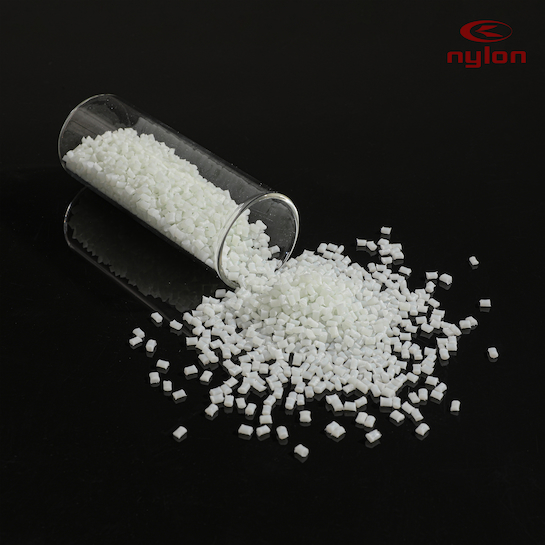
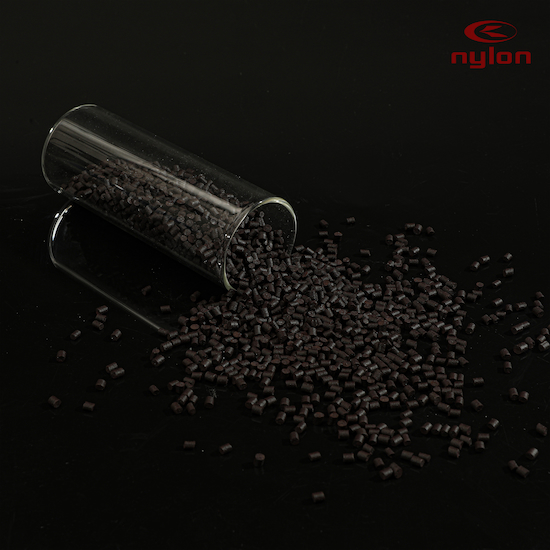
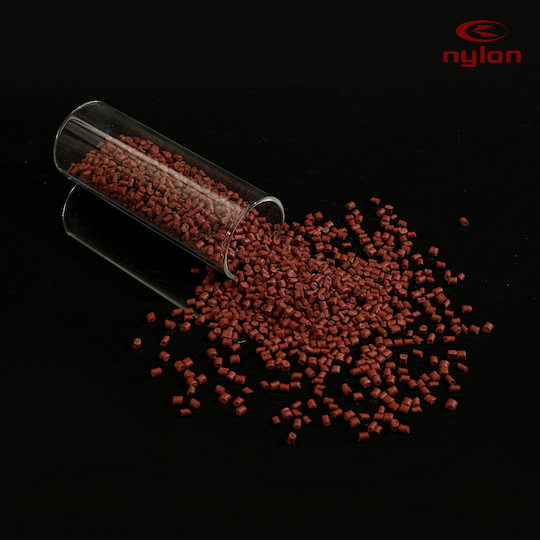
In addition to mechanical performance, product versatility remains essential for international architectural projects. BOCHENG provides customizable color-matching options, including standard matte black and specialty architectural shades, to match various window design requirements. To verify performance consistency across international markets, the material undergoes comprehensive testing. Manufacturers can inspect the formal compliance and quality certification standards that validate batch-to-batch stability, mechanical strength, and environmental durability. Xiamen Bocheng Plastic Materials Co., Ltd maintains stringent quality control protocols, testing every batch for moisture content, tensile strength, and impact resistance before global dispatch.
Exhibitions like Plast Eurasia highlight the importance of technical collaboration between raw material compounders and profile extruders. Modern window manufacturing requires more than standardized material supply; it demands comprehensive technical co-development. BOCHENG supports international clients by providing end-to-end engineering assistance, including extrusion die temperature optimization, screw profile advice, and material drying protocols.
As building regulations in Europe and Eurasia drive the demand for energy-efficient architecture, sourcing reliable, high-performance thermal break materials becomes a strategic priority. Through continuous innovation in compounding technology, BOCHENG delivers robust polymer solutions that meet international building standards while helping extruders optimize manufacturing efficiency. Extrusions facilities seeking to enhance profile quality and lower production costs can establish direct technical partnerships during industry events or explore specialized material options online.
Website: https://www.pa6-pa66.com/.