
Análise dos Requisitos de Consistência de Materiais por Trás do Cartão Amarelo UL 1
No ecossistema de fabricação moderno de eletrônicos e veículos de novas energias, as equipes de engenharia frequentemente se deparam com um cenário de falha intrigante: um lote recém-injetado de conectores de alta tensão ou carcaças de fontes de alimentação para servidores apresenta inesperadamente microfissuras, degradação da resistência à chama ou trilhamento elétrico severo durante a soldagem por onda, soldagem por refluxo ou testes de envelhecimento sob carga em alta temperatura. Quando os engenheiros de qualidade rastreiam essas amostras com falha até o fornecedor do material, este geralmente apresenta um Certificado UL Yellow Card válido para comprovar que a formulação do material passou pelas certificações de segurança mais rigorosas. No entanto, O verdadeiro problema no mercado B2B está oculto sob essa aparência de "conformidade". As equipes de P&D e de qualidade perceberam gradualmente que o Cartão Amarelo da UL é meramente um ingresso para a cadeia de suprimentos; Representa uma imagem instantânea da formulação do material em condições ideais de laboratório, com espessuras e cores específicas. Não pode mascarar, nem garantir a ausência de, degradação de desempenho em nível microscópico causada por flutuações na matéria-prima e variações nos parâmetros do processo durante a produção contínua em massa de milhares de toneladas. Essa discrepância entre a conformidade e o desempenho real em campo constitui o risco oculto mais significativo na fabricação de hardware.
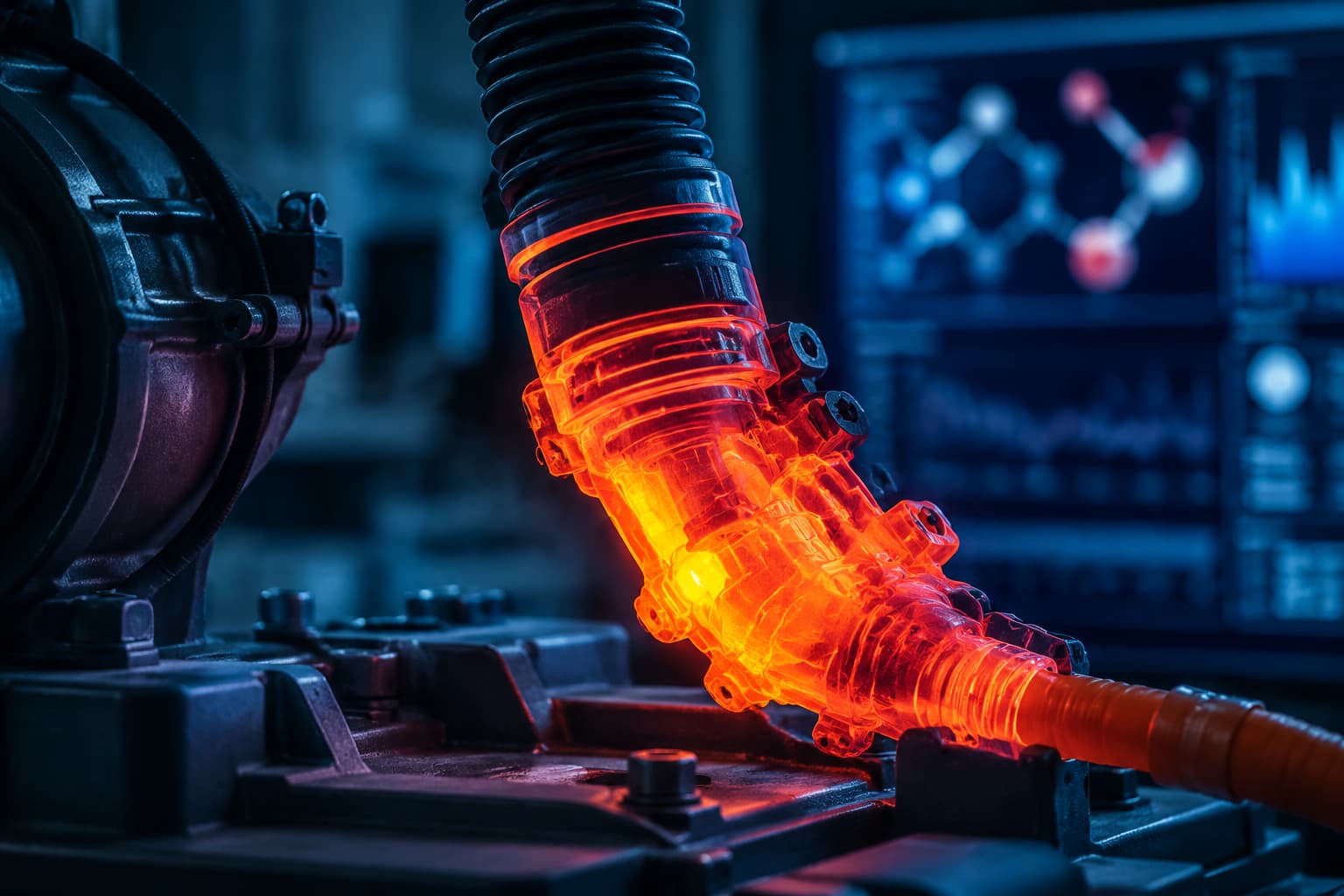
Para realmente entender a causa raiz dessa falta de consistência, é preciso mergulhar nos processos microscópicos de modificação e processamento de polímeros. Amostras para Retardância à chama UL 94As certificações de Índice Térmico Relativo (RTI) e Índice de Rastreamento Comparativo (CTI) são geralmente preparadas meticulosamente pelos fabricantes de materiais em condições otimizadas de moldagem por injeção. No entanto, na produção em massa real, Os plásticos modificados devem suportar o intenso cisalhamento e a fusão em alta temperatura das extrusoras de dupla rosca. Se a distribuição de massa molecular de um determinado lote de resina base sofrer uma pequena alteração, ou se a velocidade de extrusão for marginalmente aumentada para aumentar a produtividade, a morfologia de dispersão dos retardantes de chama e antioxidantes na matriz polimérica é diretamente alterada. Tomando como exemplo os sistemas retardantes de chama isentos de halogênio, se o fósforo vermelho microencapsulado ou os fosfinatos metálicos se aglomerarem localmente na resina, a resistência à tração macroscópica e o Índice de Fluidez (MFI) do lote podem atender perfeitamente aos padrões de saída da fábrica. No entanto, em escala microscópica, essas "áreas ricas em resina" com deficiência de retardantes de chama e as "áreas de aglomeração" que concentram a tensão tornam-se pontos fracos críticos. Quando componentes isolantes com esses defeitos microscópicos são expostos a ambientes operacionais reais de alta tensão e alta umidade, as impurezas livres e a distribuição irregular do campo elétrico causam a carbonização rápida da superfície do material. O desempenho do CTI cai drasticamente, podendo desencadear incêndios catastróficos por curto-circuito, praticamente indetectáveis durante as inspeções de rotina de materiais recebidos.