
Reduzir o custo total de materiais de nylon Produzir sem comprometer a segurança é um desafio constante em muitos projetos industriais. Seja em componentes automotivos, estruturas de eletrodomésticos ou peças de máquinas industriais, as equipes de engenharia em estágios de produção em massa frequentemente enfrentam pressão dos departamentos de compras para reduzir os custos de materiais, mantendo o desempenho. No entanto, na prática, abordagens de redução de custos excessivamente diretas — como diminuir o teor de fibra de vidro ou optar por matérias-primas de qualidade inferior — muitas vezes introduzem riscos a longo prazo no ciclo de vida do produto. A otimização eficaz de custos requer, portanto, uma abordagem sistemática que integre projeto de engenharia, conhecimento de materiais e gestão da cadeia de suprimentos.
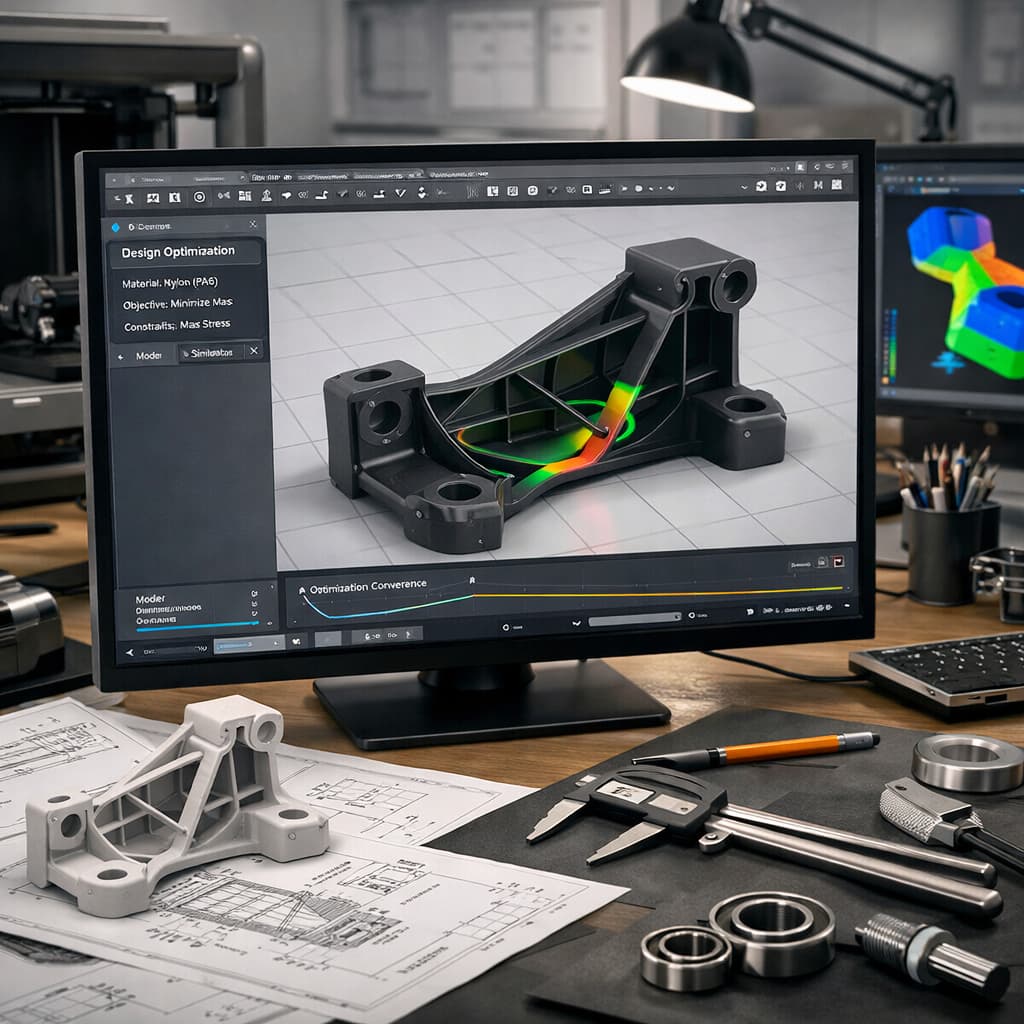
Em cenários reais de engenharia, o custo do material muitas vezes não é determinado apenas pelo preço unitário, mas por como o material é utilizado. Por exemplo, em componentes estruturais moldados por injeção, os projetistas podem aumentar a espessura da parede para garantir a rigidez. Embora essa abordagem melhore rapidamente a resistência, ela também aumenta o consumo de material e prolonga o tempo do ciclo de moldagem. Em contrapartida, a otimização da rigidez por meio de estruturas de reforço bem projetadas durante a fase de projeto pode reduzir o uso de material sem alterar a qualidade do material. Para peças produzidas em grande volume, essa otimização de projeto geralmente proporciona economias de custos mais significativas do que ajustes nos preços dos materiais.
Um conhecimento profundo das propriedades do nylon também é fundamental para a redução de custos. Nylon Apresenta comportamento higroscópico: a absorção de umidade aumenta a tenacidade, embora reduza ligeiramente a rigidez. Se as equipes de engenharia se basearem exclusivamente em dados de estado seco para o projeto, isso frequentemente resulta em superdimensionamento. Na realidade, componentes operando sob condições de umidade estáveis podem apresentar propriedades mecânicas significativamente diferentes dos valores em estado seco. Projetar com base em dados que reflitam melhor as condições reais de serviço pode eliminar margens de segurança desnecessárias e reduzir o consumo de material.
A otimização de custos do náilon reforçado com fibra de vidro também envolve ajustes na formulação. Embora o aumento do teor de fibra de vidro melhore a resistência, também eleva significativamente o custo do material. Em aplicações com cargas não críticas, a combinação de cargas minerais com fibra de vidro pode manter a rigidez suficiente, reduzindo o custo total da formulação. A chave está em compreender as funções das diferentes cargas: as cargas minerais melhoram a estabilidade dimensional, enquanto a fibra de vidro contribui principalmente para a resistência estrutural.